
Pelvic Organ Prolapse Treatment

Prolapse is incredibly common, and we can help.
Maybe you noticed a feeling of heaviness or pressure in your pelvis that wasn't there before. Maybe you felt something bulging that scared you. Maybe you've been Googling your symptoms for weeks, not sure what you were looking at or what to do.
Prolapse is incredibly common, and for the vast majority of women, pelvic floor physical therapy is one of the most effective treatment approaches.
We look at how your whole body is functioning, including your breathing, your movement patterns, how you manage intra-abdominal pressure, and how your pelvic floor muscles are coordinating. This gives us a clear picture of what's contributing to your prolapse and exactly what we need to address in order to decrease your symptoms and get you back to the activities you love.
Surgery is not always the answer, and it is rarely the only answer.
Many women with prolapse, including significant prolapse, achieve meaningful symptom relief and return to the activities they love through conservative treatment. We will always be honest with you about what PT can realistically offer and when it makes sense to involve other providers.

Diagnoses & Symptoms We Treat
-
When the bladder drops into the vaginal wall, it can cause a feeling of pressure or fullness in the pelvis, difficulty emptying the bladder completely, and urinary leakage or urgency. Strengthening and retraining the pelvic floor can significantly reduce these symptoms and support the bladder in functioning the way it should.
-
A rectocele occurs when the wall between the rectum and vagina weakens, often causing difficulty with bowel movements, a feeling of incomplete emptying, or the need to manually support the vaginal wall to have a bowel movement. Pelvic floor PT addresses the muscle coordination and pressure management strategies that can make a real difference in day to day comfort and function.
-
When the uterus descends into the vaginal canal, it can cause significant pressure, discomfort with activity, and changes in bladder and bowel function. We work with women across all stages of uterine prolapse to reduce symptoms, restore strength and coordination, and help them return to the activities that matter most to them.
-
If surgery is the path you and your doctor have chosen, coming in beforehand is one of the smartest things you can do for your outcome. Preparing your pelvic floor before a prolapse repair procedure can significantly improve your recovery time, reduce postoperative complications, and help you get the most out of your surgery. We'll work with you to strengthen the right muscles, improve coordination, set realistic expectations for what recovery looks like, and make sure your body is in the best possible position going into the operating room. The work you do before surgery matters just as much as the work you do after.
-
If you've had prolapse repair surgery, physical therapy is a critical part of your recovery. We help you rebuild pelvic floor strength, address scar tissue, and return to activity safely so you protect your surgical repair and get the most out of your procedure.
-
Prolapse that develops during pregnancy or after delivery deserves prompt attention. Early intervention gives you the best chance at meaningful recovery and helps prevent symptoms from worsening over time. It is never too early to be evaluated.

Understanding What's Happening In Your Body
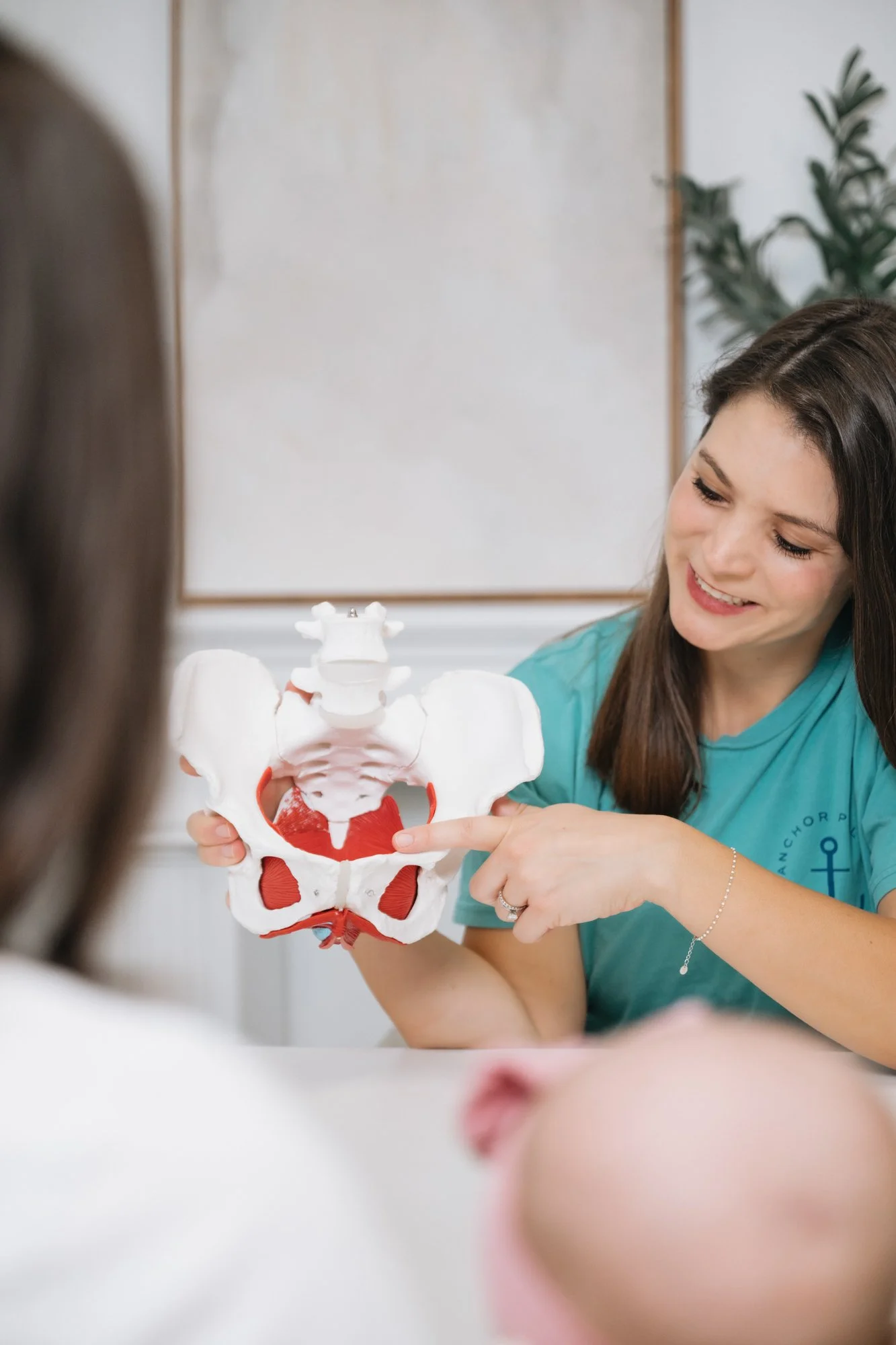
Prolapse happens when the muscles and connective tissue supporting your pelvic organs, your bladder, uterus, or rectum, become weakened or stretched, allowing one or more of those organs to descend into the vaginal canal. Prolapse can happen as a result of childbirth, hormonal changes, chronic straining, heavy lifting, or simply the cumulative demands placed on your body over time.
Prolapse can feel like heaviness, pressure, or bulging in the vaginal area. It can affect your bladder and bowel function, your ability to exercise, your intimacy, and your sense of self.
Getting evaluated and starting treatment early is the most ideal course of action for managing a prolapse, but it’s never too late to get assessed and start making progress.
What to Expect
A thorough, compassionate evaluation. Your first visit is a full hour. We'll take the time to understand your symptoms, your history, your fears, and your goals before we talk about anything else. You will never feel rushed or dismissed here.
Honest answers. We'll tell you exactly what we're seeing, what it means, and what your realistic options are. No sugarcoating, no scare tactics, just clear and honest information so you can make the best decisions for your body.
A personalized treatment plan. Prolapse looks different in every woman and so does treatment. Your plan will be built entirely around you, your body, your symptoms, and the life you want to get back to.
Care that goes beyond kegels. Prolapse management is about so much more than squeezing. We look at how you breathe, how you move, how you load your body, and how your whole system is working together. Real recovery requires a whole body approach.
A team that believes in your outcome. We have seen women with significant prolapse return to running, lifting, hiking, and living fully. We bring that same belief and commitment to every single patient we work with.
Frequently Asked Questions About Prolapse Treatment
-
Right here. A prolapse diagnosis can feel overwhelming, especially when you leave your appointment with more questions than answers. Our first goal is to help you understand what's happening in your body, what it means for your daily life, and what your options actually are. You don't have to have it all figured out before you call us.
-
It is very common, but that doesn't mean it's something you just have to accept. Childbirth places enormous demands on the pelvic floor and supporting structures, and prolapse is one of the ways that shows up. The good news is that with the right treatment, many postpartum women see significant improvement regardless of how long it's been since they delivered.
-
Not necessarily, and we'd encourage you to explore conservative treatment before making that decision. Many women, including those with significant prolapse, achieve meaningful symptom relief through pelvic floor PT without surgery. We'll be upfront with you about what we think PT can realistically offer in your situation, and if surgery is truly the best path, we'll support that decision and help you prepare for and recover from it.
-
Not if you're exercising correctly for where your body is right now. One of the most important things we do is help you understand how to move, lift, and exercise in a way that manages pressure and supports your pelvic floor rather than overloading it. Staying active is important for your overall health, and we want to help you do it safely and confidently.
-
Many women with prolapse can and do have comfortable, enjoyable intimacy. If sex is painful or uncomfortable, that is something we can address directly as part of your treatment. You shouldn't have to give up intimacy because of prolapse, and we'll help you get there.
-
It goes well beyond kegel exercises. We look at how your whole body is functioning, including your breathing, your movement patterns, how you manage intra-abdominal pressure, and how your pelvic floor muscles are coordinating. Treatment is hands-on, individualized, and designed to address the root of what's driving your symptoms, not just the symptoms themselves.
-
It is never too late. We regularly work with women who have been managing prolapse for years and still achieve meaningful improvement. Your body has a remarkable ability to respond to the right treatment no matter how long the problem has been there.
-
It can, especially if you continue activities that increase pressure on the pelvic floor without the right support and strategies in place. Getting evaluated and starting treatment early is always the better choice, both for managing your current symptoms and for protecting your pelvic floor long term.
There is hope.
A prolapse diagnosis can feel scary and defeating, but there is hope. With the right treatment and support, significant improvement is possible.
You don't have to give up the things you love. You don't have to live in fear of making it worse, and you don't have to figure this out alone.
We’re here to help you.
Have questions before you book?
Reach out! We're happy to talk through what you're experiencing and whether pelvic PT is a good fit. Book your discovery call.